

As Ghana charts a path toward a sustainable energy future, women engineers and industry professionals are calling for greater female participation and leadership in the country’s evolving energy sector.
At the She Power Summit, organised at the Kwame Nkrumah University of Science and Technology, Kumasi (KNUST), industry leaders and academics highlighted the urgent need to empower more women to pursue careers in engineering, renewable energy and technological innovation.
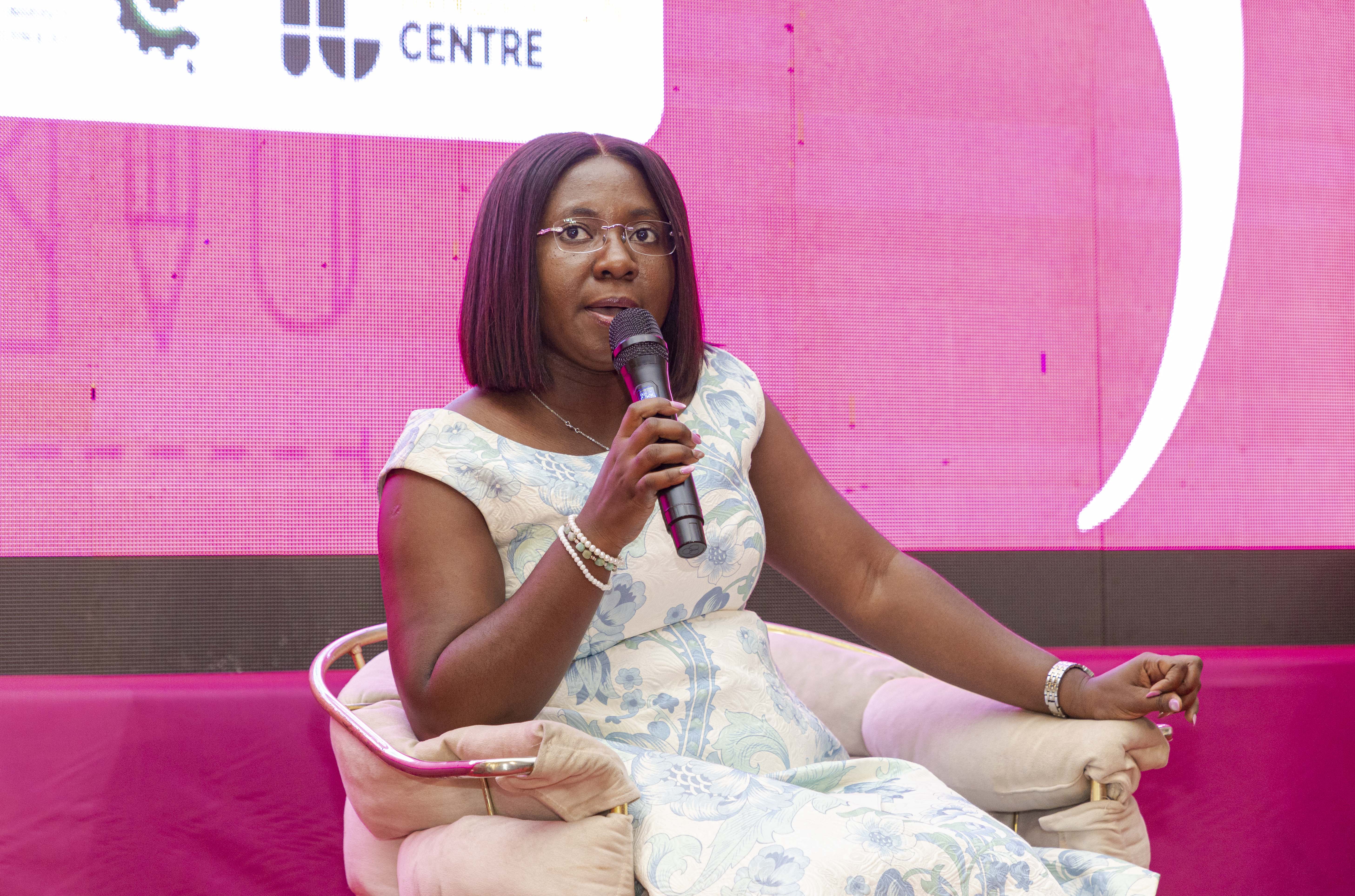
Among the speakers was Ing. Portia Owusuwaah Obeng, a Reservoir Engineer at the Petroleum Commission of Ghana and an alumna of KNUST. She encouraged young women to pursue excellence and leadership in the energy sector, stressing that their contributions are essential to shaping Ghana’s energy transition.
“For many of us, we were made to believe that as women in the energy sector we must work twice as hard to excel,” she said. “The industry is demanding, so you must consistently show up, perform and deliver excellent work.”
Ing. Obeng noted that Ghana has already developed a national energy transition framework aimed at guiding the country toward cleaner energy sources. However, she stressed that policy alone is not enough.
“Government has done well to put up an energy transition framework, but we need to go beyond policy and make it an Act that can guide implementation and allow the country to measure progress,” she said.
She added that Ghana must adopt a balanced energy strategy that considers its existing hydrocarbon resources while steadily expanding renewable energy capacity.
“Our energy mix should combine existing resources with cleaner energy solutions as we work toward sustainability,” she explained.
Despite the growing opportunities in the energy sector, Ing. Obeng highlighted the persistent gender imbalance in engineering roles.
“In many institutions, you may find only one woman among ten engineers,” she said. “We need deliberate policies and mentorship to support young women and help them develop their competencies.”
She urged female students to take advantage of mentorship opportunities and professional networks that can help them navigate the demands of the industry.
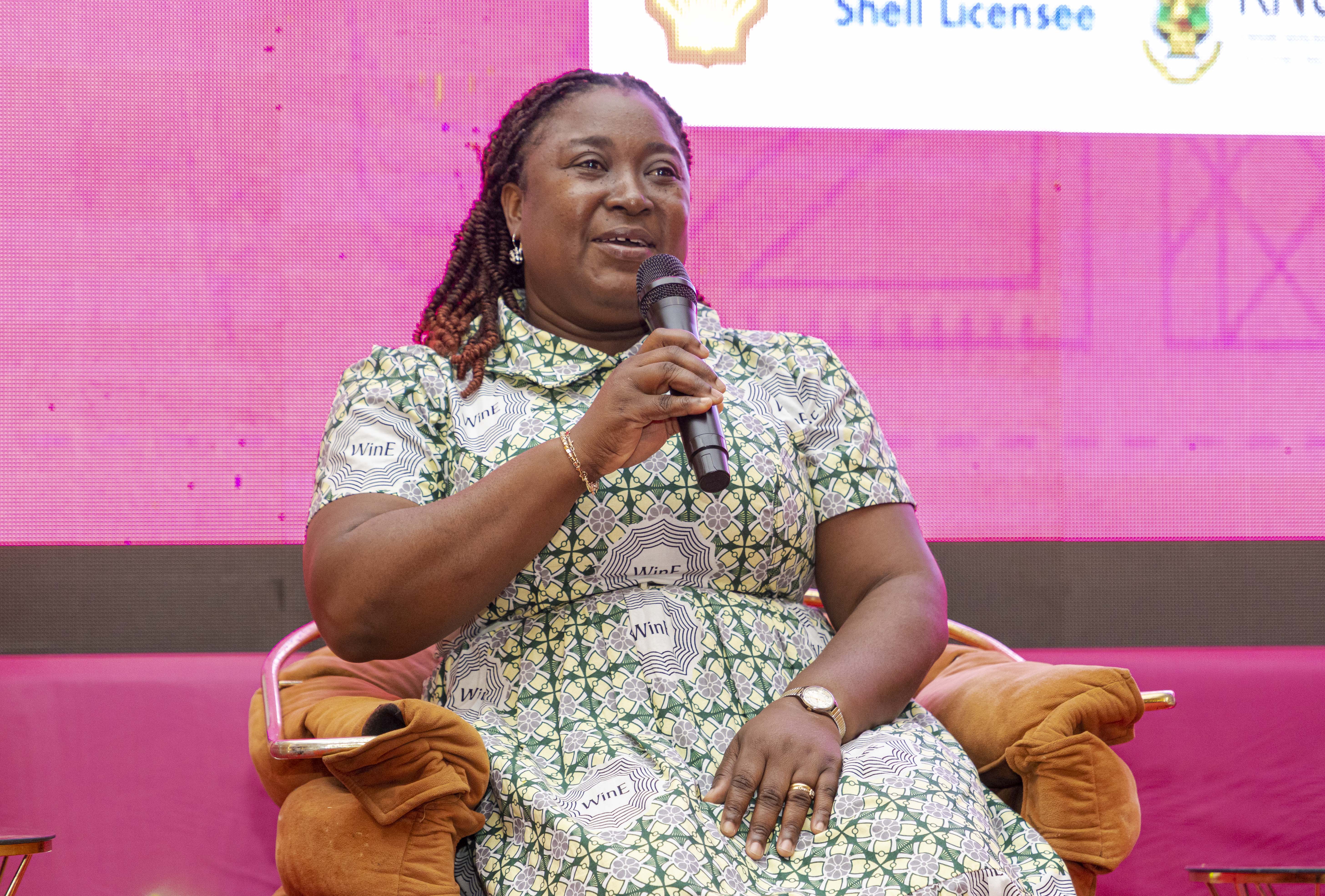
Also speaking on the panel was Ing. Dr. Mizpah Ama Dziedzorm Rockson, Senior Lecturer at the Department of Chemical Engineering, KNUST, who emphasised the importance of integrating renewable energy technologies such as biomass and waste-to-energy into Ghana’s energy system.
She reminded young women entering the profession that success ultimately depends on competence and dedication.
“When you get to the field, the standards are no longer there for you because you're a woman,” she said. “It’s for you to always make sure you leave the mark.”
Dr. Rockson further encouraged more women to pursue advanced studies in science and engineering, noting that scholarships and supportive workplace policies can help increase female participation in research and innovation.
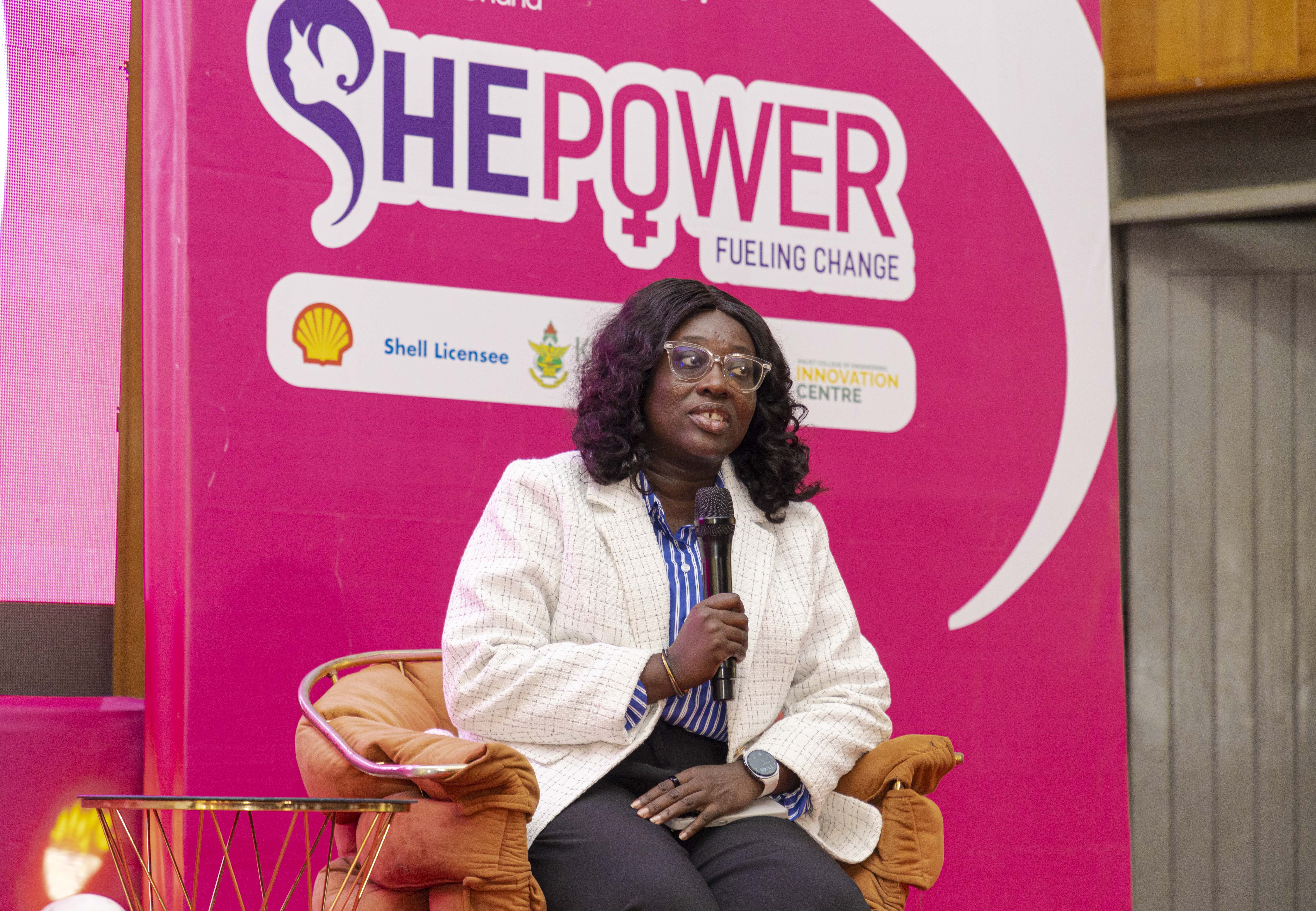
Another panelist, Ing. Lauretta Atobra, a Completions Engineer and KNUST alumna, highlighted the importance of making renewable energy technologies more accessible to households and communities.
She noted that while solar energy presents a promising pathway for clean power generation, the high cost of installation remains a major barrier for many Ghanaians.
According to her, innovative approaches such as community-level solar systems could help reduce costs and expand access to renewable energy solutions.
The panel discussion formed part of broader conversations at the She Power Summit aimed at encouraging more young women to enter engineering and energy-related careers.
Story: Belinda Opoku Danso


